 To finish our study and truly begin to understand how the Orthodox Church developed, we need to take a close look at Valentinus, who will play a large part of in verbal war of doctrine with Irenaeus and Orthodoxy. I will discuss the life and beliefs of Valentinus first, followed by Irenaeus, and then the exchange between the two as documented by later church fathers such as Tertullian. [Read more…] about Valentinus, the Bridal Chamber, and Meditation: Part 5 of the Development of the Orthodox Church
All Blog Posts
The Didache, Clement, Hermes and Marcion: Development of the Modern Church Part 4
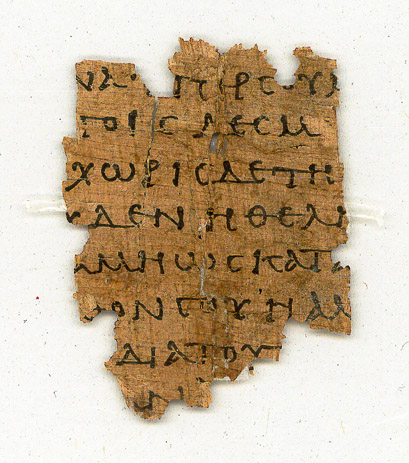 This post will continue our series on the development of Christian Orthodoxy and the Orthodox Church. In part three I said I would get to Valentinus and Irenaeus, but that will have to wait for part five. There is too much important information I couldn’t leave out, which we will discuss here first. We’ll be covering the late first century to the mid second century with just a few—albeit very important—events in our attempt to understand the broader movement and developments of Christianity.
It is important that you realize history is always written by the victor. [Read more…] about The Didache, Clement, Hermes and Marcion: Development of the Modern Church Part 4
The Development of Christianity: Part 3
 In the first two posts of this series we laid some important groundwork about Paul and Gnosticism. Today I’m going to lay a little more groundwork about the synoptic Gospels and the Gospel of Thomas. This is all necessary before we get into the meat of how Orthodox Christianity and the Early Church formed.
Let’s do a brief recap. [Read more…] about The Development of Christianity: Part 3
How Modern Christianity Developed Part 2
 In part one of this series, I spoke about the Jesus that Paul preached. I gave five or six reasons and presented more than a few scriptures to justify that Paul’s Jesus was in fact a mythical Christ that served as a model for deeper revelation. Today’s post will continue unveiling some of Paul’s sayings that point to Gnostic principles. This is important ground work and hopefully it will open many doors of understanding for us when we get into how and why the institutionalized church developed (It’s not all about Constantine). [Read more…] about How Modern Christianity Developed Part 2
A Working Timeline for How Modern Christianity Strayed From Its Origins: Part 1
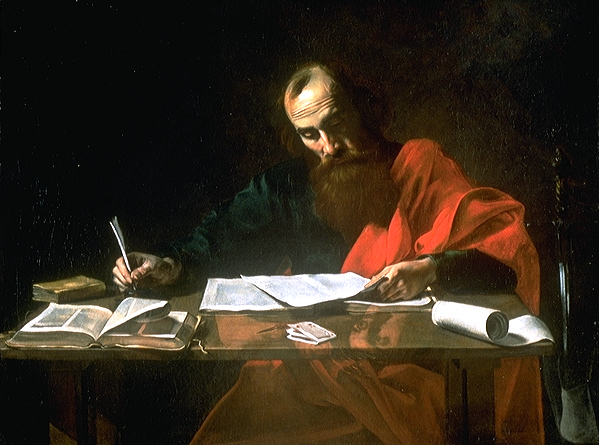 Since it’s the Holiday season and I’m now off work for a few weeks, I’ve been thinking about the Early Church. I’ve been trying to piece together how early Christianity morphed to provide the framework for today’s Christianity. I’ve wrote about Gnostics and true early Christianity before, but I thought it would be fun to dig in and provide the larger picture for how Christianity started and progressed to what it is today. Of course I’m no scholar, and I’m sure there are a lot of things I will get wrong. But I hope I can provide an interesting timeline with some reasonable evidence to point to a working theory. [Read more…] about A Working Timeline for How Modern Christianity Strayed From Its Origins: Part 1
Eating the Flesh of Jesus
 Many of you have probably heard about all the catastrophic events that were supposed to happen on the earth sometime in September 2015. John Hagee, declared a prophet by many mainstream Christians, gave some the idea that the conclusion of the fourth and final Blood Moon from 2014-2015 would usher in a major change on the earth, a change so grand it would affect all our lives in a measurable way as it relates to the mainstream Christian idea of God and a divine plan. Other, less notable preachers, stated the Second Coming of Christ would be at hand by September’s end. Of course none of these things have so far materialized. And they won’t—at least not according to mainstream evangelistic Christian view. [Read more…] about Eating the Flesh of Jesus
The Real Meaning of the Tithe
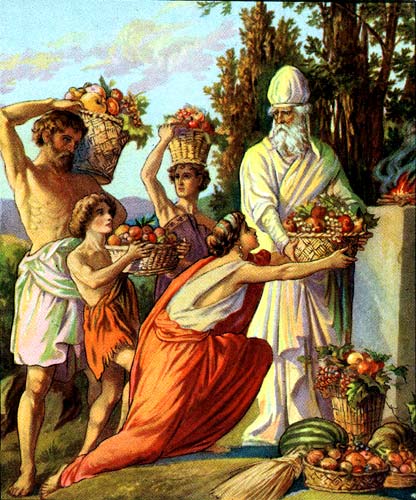 A few years ago I wrote an article entitled, The Spirit of the Tithe: It Was Never About Money. Today we’ll further discuss the real meaning behind the Old Testament Tithe. I would recommend you read the article above first if you still believe that tithing had anything to do with money. In that article I give good reasons as to why it could not. I have learned a few things since that last article years ago, so naturally I couldn’t give all the answers to tithing back then. But the original article still contains some good information and serves the purpose of freeing those who might feel guilty for not giving ten percent of their income to a pastor at a church. This article, however, will get to the real meaning of the tithe, from an esoteric viewpoint, which is the most important one. 🙂 [Read more…] about The Real Meaning of the Tithe
Jesus and the Meaning of the Carpenter
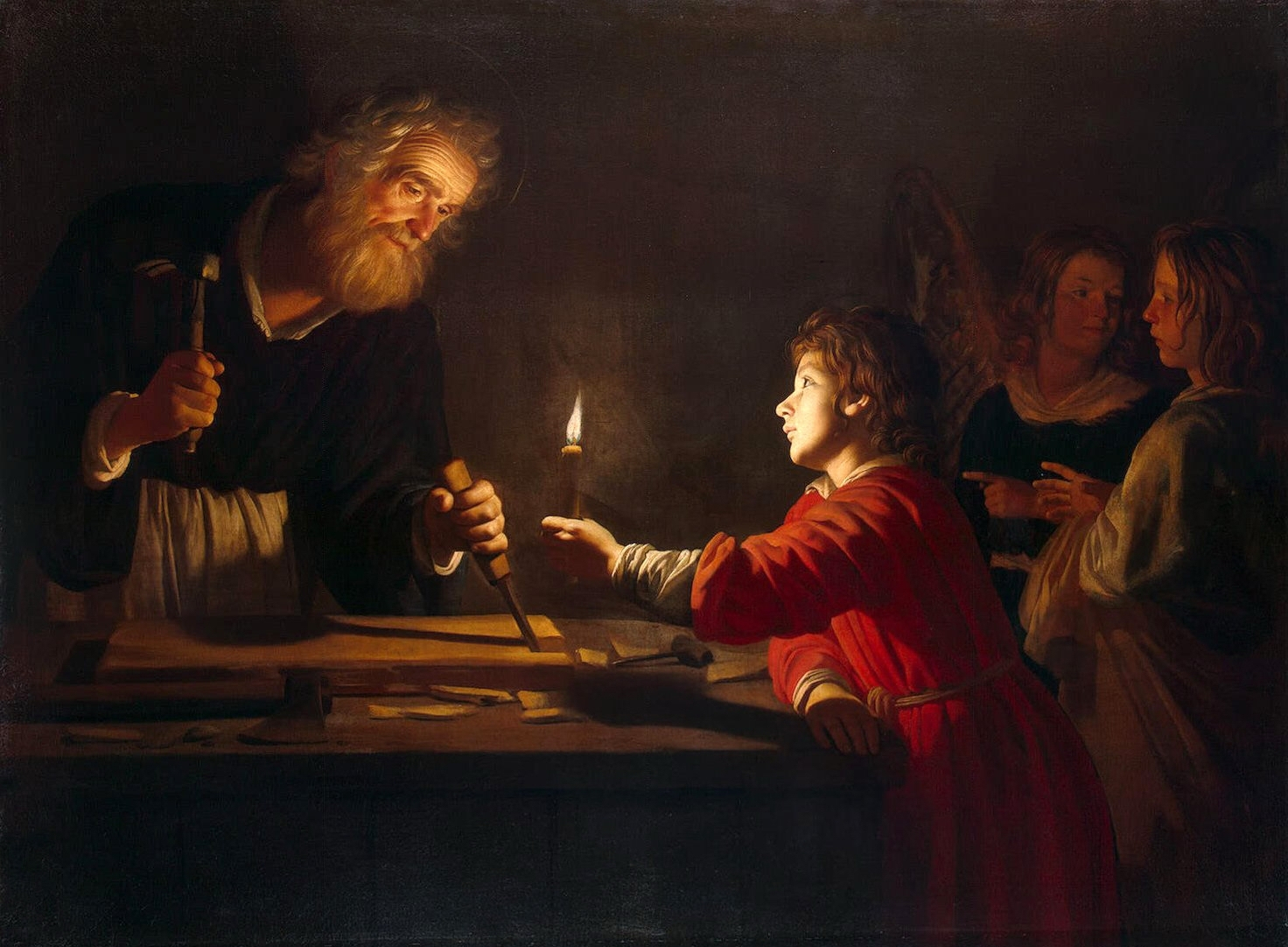 The Jesus of the New Testament has come down through the ages as a carpenter. The Gospel of Mark, chapter six verse three, clearly identifies him as such:
“Is this not the carpenter, the son of Mary, the brother of James, and Joses, and of Juda, and Simon?
It is interesting that the Son of God would be a carpenter. [Read more…] about Jesus and the Meaning of the Carpenter
SOS Update
I have finally relocated. I’m in my new home with my own office space and I’m excited to get down to some new writing. It may be a little bit before I really get settled in, so I may not start writing seriously again for another few weeks or maybe even a month. I want to settle in first. I have also been working on a book, so I will be in between the two. That means I may go periods where I write articles frequently for SOS, or I might go periods where I’m mostly working on the book.
Natural Happiness through a Peace-filled mind
 Retaining natural happiness can seem unattainable at first, particularly when unhappiness can leave us feeling helpless to do anything other than endure. But, with a commitment to dealing with this ongoing debilitating state once and for all, our life can change dramatically for the good. [Read more…] about Natural Happiness through a Peace-filled mind
Jesus said to Watch for the Thief
 Matthew 24:42-44 is an interesting scripture. In it Jesus tells us to watch for the Son of Man. He follows that command by telling us that if the good man of his own house had watched, he would have been ready for the thief who comes to break up the house. Therefore, watch, for none know the hour that the Son of Man comes.
What does this mean?
Traditionally, this scripture has been interpreted to mean that we must be vigilant for the second coming of a literal Jesus, but is this what Jesus’ saying really meant? [Read more…] about Jesus said to Watch for the Thief
The Lord’s Supper and Psalm 23 Translation
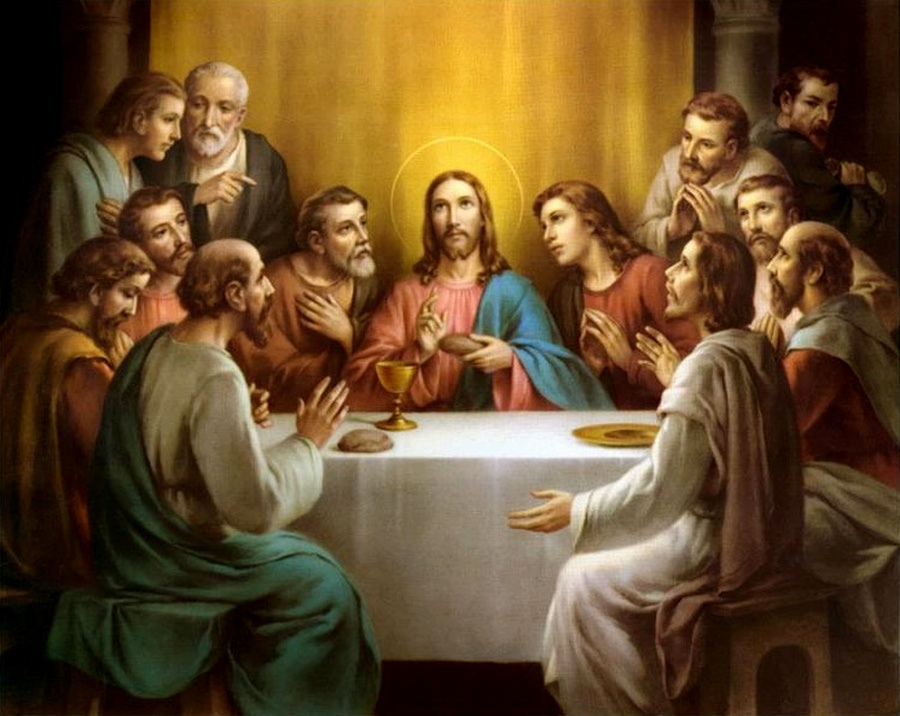 As beautiful as the Lord’s Supper ritual is, apart from a few ceremonial words and bowing of heads at Mass, there isn’t a non-ceremonial equivalent of this life-changing event at the everyday practical level. The application of Psalm 23, I feel, is the nearest opportunity to participate in something as a means of growing Christ dynamism, cosmic understanding, and greater spiritual abundance in our daily lives, from work or home.
Psalm 23 translation follows later in this article.
Mainly referred to as the Last Supper, this most solemn event in most formal religions is about receiving the blessed Eucharist, thereby celebrating Christ-empowerment, which I totally respect. But, for the purpose of this article, the latter title of the Lord’s Supper is the one being referred to. [Read more…] about The Lord’s Supper and Psalm 23 Translation
The Dark Night of the Soul

The term “Dark Night of the Soul” is the title of a poem by Saint John of the Cross, a 16th century friar of the monastic order of Carmelites in Spain. He was a leading Spanish poet and religious reformer in his time. The Dark Night of the Soul is a message about travail and hope in the journey of the soul towards union with God. It represents one of many threads of esoteric belief winding through the tapestry of [Read more…] about The Dark Night of the Soul
The Four Living Creatures and The Gospels
 The passages in Ezekiel describing The Four Living Creatures are mysterious and phantasmagorical. They are open to interpretations of all varieties, exoteric and esoteric. The Books of Daniel and Revelation also contain surreal images, but most of them are not as complex and elusive, and the symbolism is usually more obvious. For instance, Daniel’s vision of the various kingdoms that arise to rule his known world can be related to historical kingdoms. [Read more…] about The Four Living Creatures and The Gospels
The Complete Idiot’s Guide to Gematria
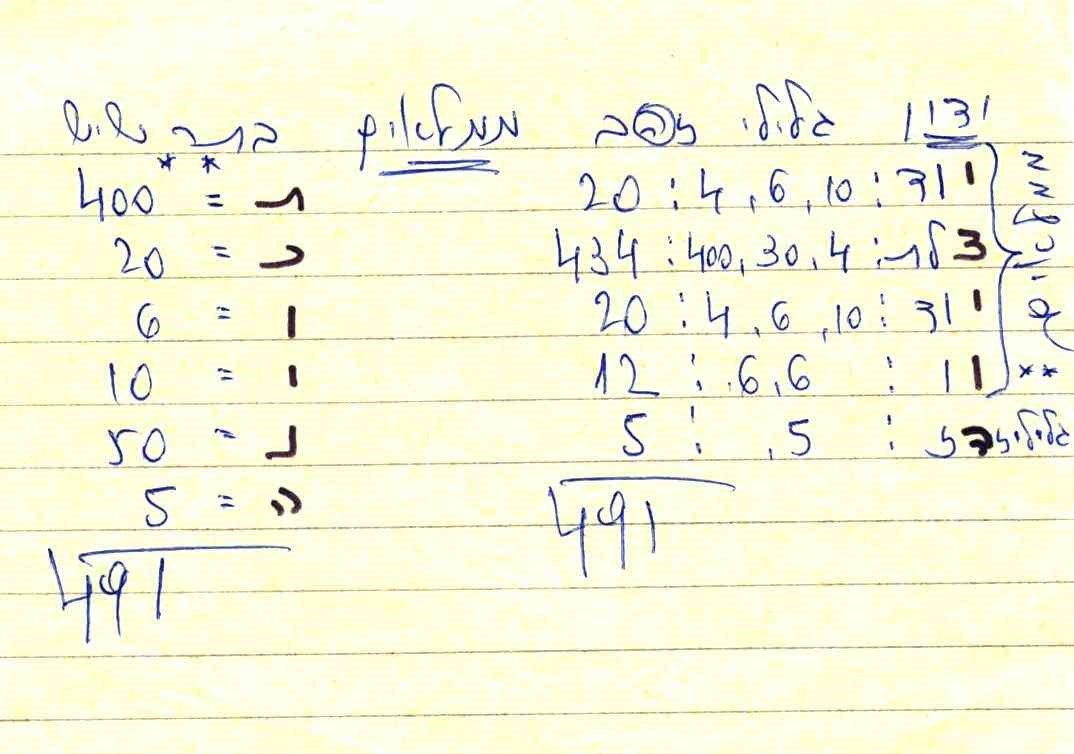
Although it is not too clear from the title whether this guide was written by or for The Complete Idiot, I will be honest; my credentials for writing this post are dismal. I am a techie type who discovered my intuitive side only months ago, and right after that I tried to analyze everything I knew about intuition to death before I realized you cannot get it that way. To really succeed at Gematria, someone must have a high Intuitive Intelligence Quotient (IIQ), because once you are done with all the calculating, the real trick will be relying on your intuition to make meaningful interpretations. [Read more…] about The Complete Idiot’s Guide to Gematria